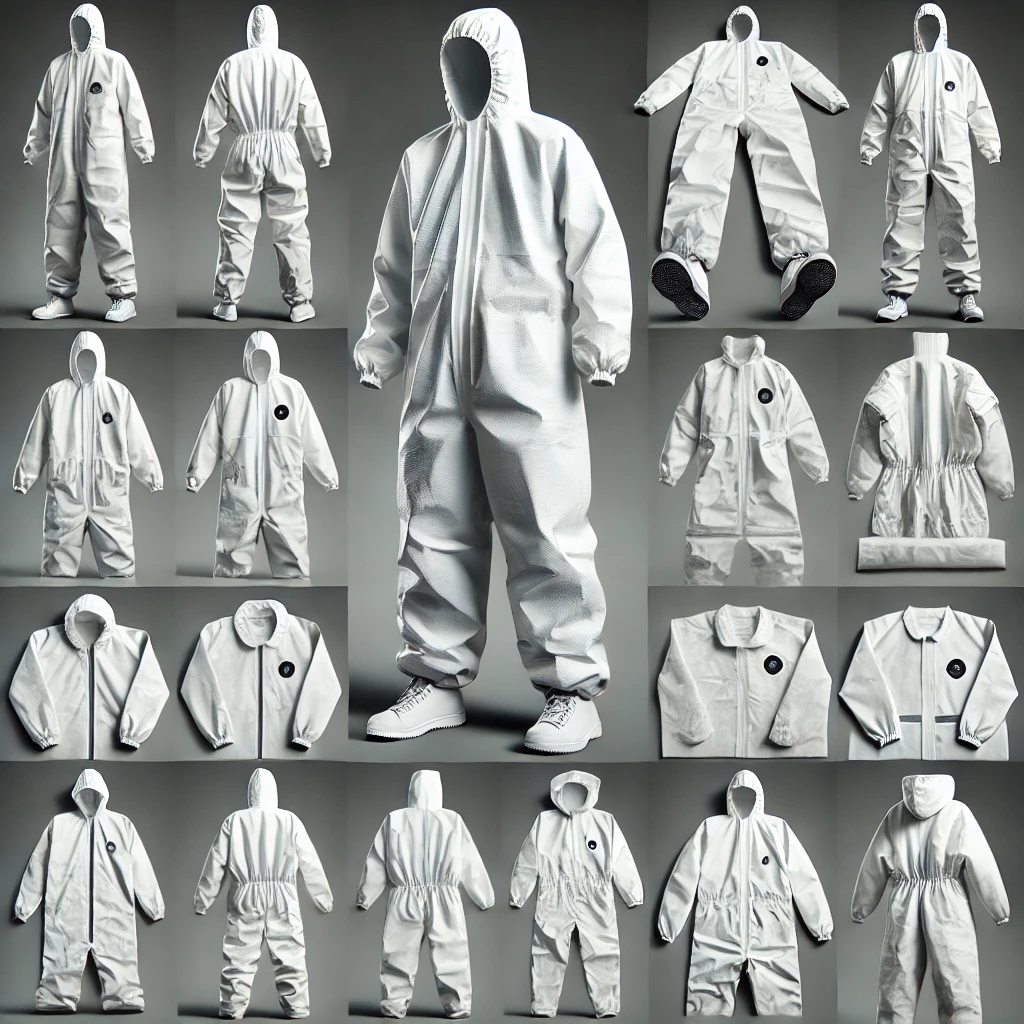
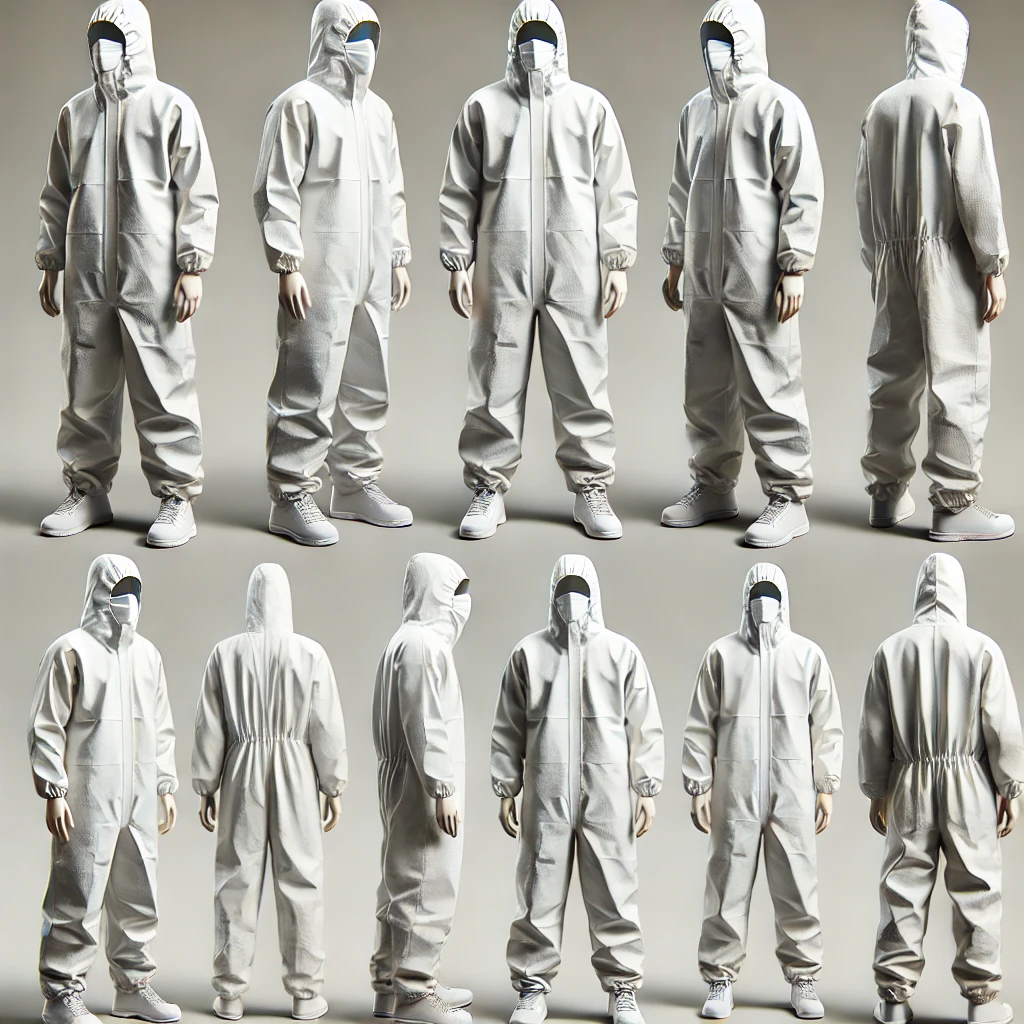
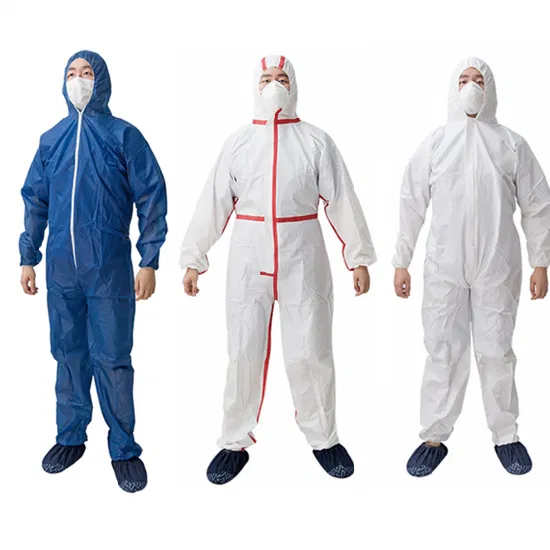
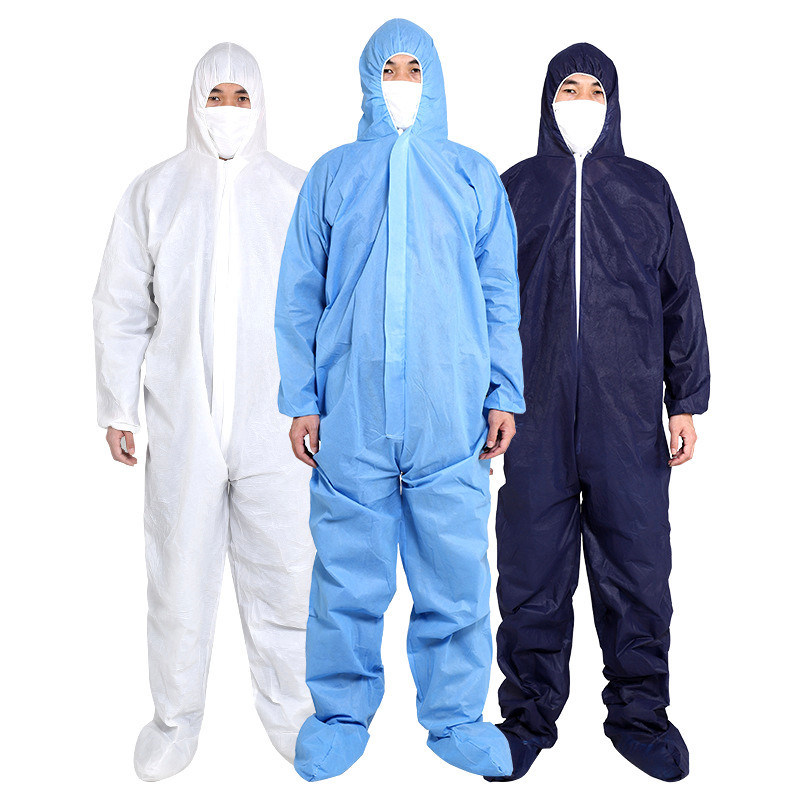
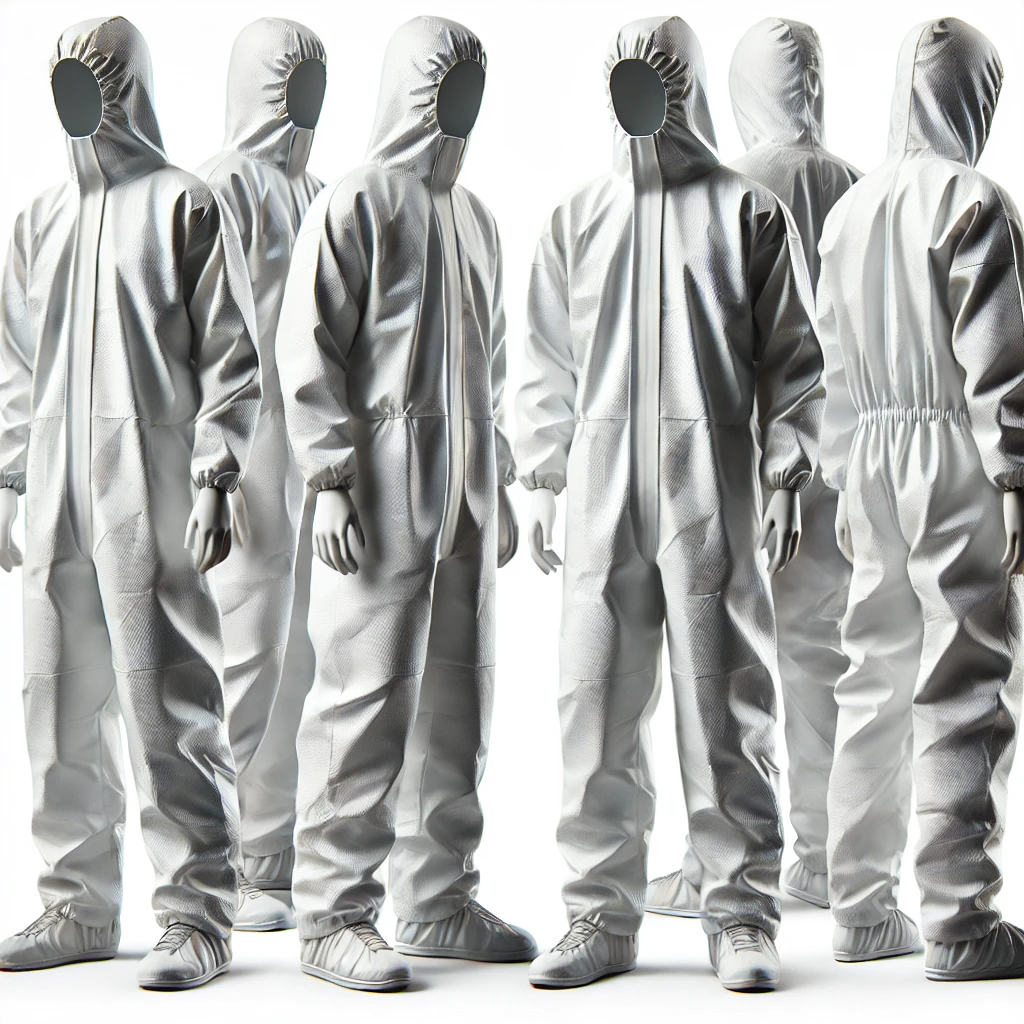
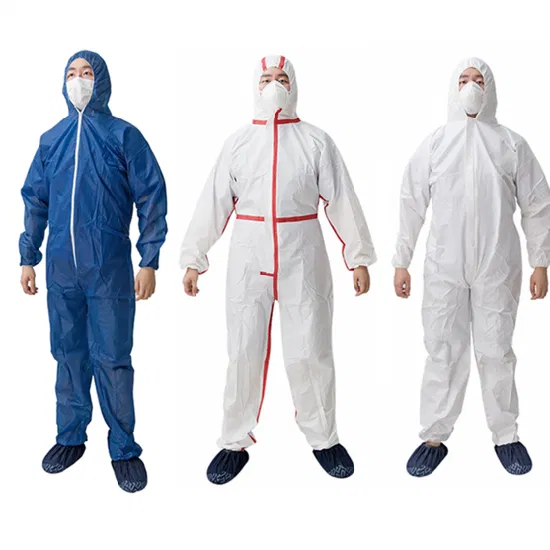
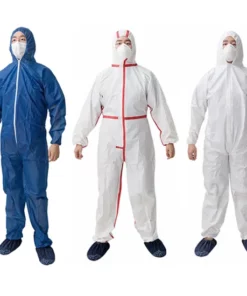
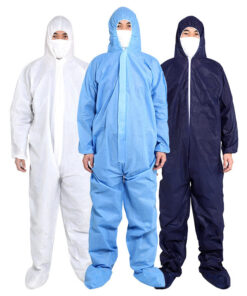
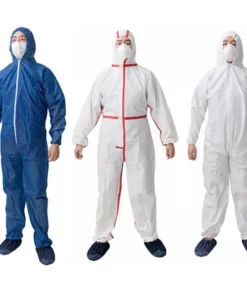
Reusable coveralls come in various types, each designed for specific environments and tasks. Here’s a look at the most common types:
1. Cotton Coveralls
- Material: 100% cotton or cotton blends.
- Best For: General-purpose use in moderate conditions, such as construction or mechanical work.
- Features: Breathable, comfortable, easy to wash, and often treated to be flame-resistant.
- Advantages: Durable, cost-effective, and widely available.
- Disadvantages: May not provide protection against chemicals or high-intensity flames.
2. Polyester/Cotton Blend Coveralls
- Material: Blend of polyester and cotton.
- Best For: Industrial settings where durability and some comfort are needed, such as factories or workshops.
- Features: Higher resistance to tearing and abrasion than pure cotton, often wrinkle-resistant.
- Advantages: More durable than cotton alone, with some protection against minor chemical splashes.
- Disadvantages: Less breathable than pure cotton, can be uncomfortable in warm environments.
3. Flame-Resistant (FR) Coveralls
- Material: Treated cotton or specialized flame-resistant materials (like Nomex or Kevlar).
- Best For: Hazardous environments with exposure to fire, heat, or electrical risks.
- Features: Self-extinguishing properties, often arc-rated for electrical safety.
- Advantages: Provides critical protection for workers in environments with high fire risk.
- Disadvantages: Higher cost due to specialized treatment or material.
4. Chemical-Resistant Coveralls
- Material: Materials like PVC, Tychem, or other synthetic polymers.
- Best For: Environments with exposure to hazardous chemicals or dangerous biological agents.
- Features: Impermeable to various chemicals and fluids, available in multi-layer options for added protection.
- Advantages: Provides excellent protection from chemicals and pathogens.
- Disadvantages: Less breathable, uncomfortable for prolonged use in warm environments.
5. High-Visibility (Hi-Vis) Coveralls
- Material: Polyester or cotton blends with reflective strips.
- Best For: Outdoor and low-light environments like construction sites and roadside work.
- Features: Bright colors (typically yellow, orange) with reflective tape to increase visibility.
- Advantages: Enhances worker safety by increasing visibility.
- Disadvantages: Typically not flame- or chemical-resistant unless specifically treated.
6. Insulated Coveralls
- Material: Cotton, polyester, or synthetic fabrics with insulated lining.
- Best For: Cold environments, such as outdoor winter work or cold storage facilities.
- Features: Often water-resistant, with an added thermal lining.
- Advantages: Provides warmth and protection in cold environments.
- Disadvantages: Heavier and can be uncomfortable in warmer temperatures.
7. Arc-Rated Electrical Coveralls
- Material: Flame-resistant fabrics with arc-rated properties.
- Best For: Electricians or workers exposed to electrical hazards.
- Features: Designed to resist the intense heat from arc flashes.
- Advantages: Essential for electrical safety, prevents severe burns.
- Disadvantages: Can be costly due to specialized materials.
8. Anti-Static Coveralls
- Material: Specially treated fabrics with anti-static properties.
- Best For: Electronics manufacturing, laboratories, or any environment where static discharge is a risk.
- Features: Prevents buildup and discharge of static electricity.
- Advantages: Essential for environments with sensitive electronic components.
- Disadvantages: May not provide flame or chemical resistance unless specified.
9. Waterproof/Breathable Coveralls
- Material: Synthetic materials with breathable, waterproof membranes.
- Best For: Outdoor work in wet environments.
- Features: Keeps the wearer dry while allowing sweat vapor to escape.
- Advantages: Comfort in rainy or wet conditions.
- Disadvantages: Limited durability for high-abrasion tasks.
Each type of coverall is suited for specific working conditions and hazard levels, so choosing the right type depends on the nature of the work and the required protection level.
Linen savers are another critical product in our range, designed to protect hospital beds and furniture from spills and contamination. Our linen savers are made from absorbent materials that provide an effective barrier while also being soft and comfortable for patients. These disposable items are an essential part of infection control protocols in hospitals and clinics, and we manufacture them in various sizes to meet the specific needs of different healthcare settings.